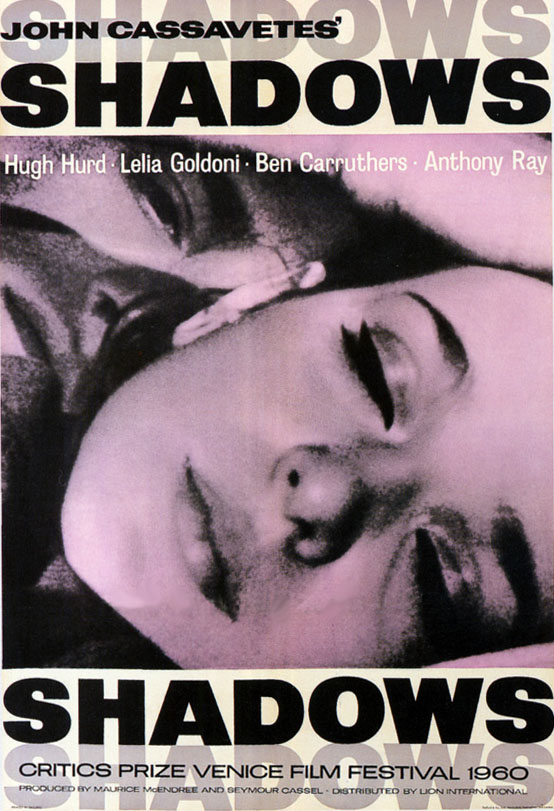
Like the jazz music that fills the soundtrack, John Cassavetes film Shadows was an improvisation. (At least it claims so at the end of the film with a title card.) It is a talented group of people, thrown together for a purpose, the purpose of creating something that is both spontaneous and deliberate. The scenes flow together like live jazz at the club. There is an overall beat to follow, but with solo performances that seem like they may not belong at first, but do. The film feels like it was quickly thrown together and by only viewing it from its visual and technical achievements, the film feels amateurish. That is because it was made by an amateur, one that may have found a way to change the way audiences think about how and why a film is made.
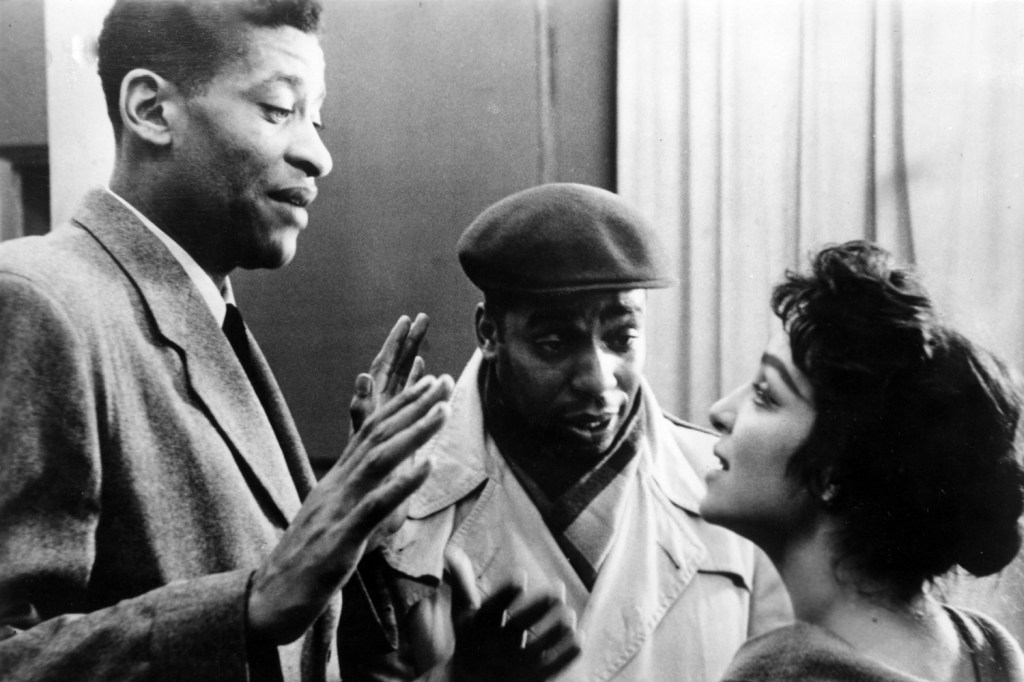
The film is not trying to be North by Northwest. The technical aspects of the film are not the point here. The film is in opposition to a movie like that and Cassavetes doesn’t shy away from expression of characters even at the cost of production quality. The film feels more like a documentary, a case study on identity in New York during the ladder half of the fifties. It easily compares with the French New Wave films being created at the time. Loose plot elements. Guerrilla film making styles. Non actors as actors. As much as a Hitchcock film can draw an audience in from set piece to set piece, Shadows finds it form in a more pure expression with the camera. The series of events that occur in the film may not bind together to make an all-encompassing, well scripted, tight plot, still unites in an overall theme. The film feels natural, both in terms of the cinematography and plot. Three siblings sharing a bed for a moment is filmed as natural as it could be seen. Not extra cuts for an effect, just witnessing the moment unfold itself on the screen.
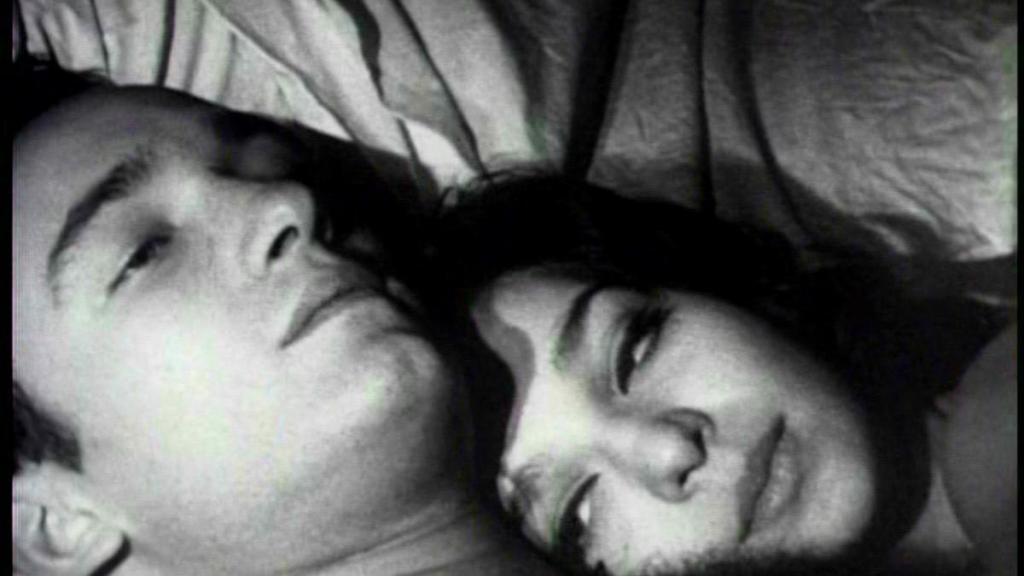
The characters face the sort of day to day issues that life just offers up. The characters sometimes overcome these issues. Sometimes, they do not. They even cause other issues to arise out of fear or ignorance. The “plot” does not feel staged nor scripted. The problems that float to the top of the film do so naturally and dare it be said, feel improvisational. The films structure itself comments on life’s little improvisations. Life is not pre-written and determined by a producer to be on the list of things that are deemed “go picture.” Life is more like jazz, we are all sort of making it up as well go along. Life is not black and white. Life mostly takes place in the Shadows.


 Movie Blind Spot
Leave a comment